Introduction
Dysphagia, or difficulty in swallowing, is a problem that influences numerous individuals, particularly the elderly and those with neurological disorders. It can considerably affect an individual's quality of life, causing complications such as lack of nutrition, dehydration, and even respiratory infections. For carers dysphagia training courses and healthcare providers, understanding exactly how to manage dysphagia is critical. This article aims to supply thorough insights into dysphagia management and the vital dysphagia training for carers.
Dysphagia Monitoring 101: What Every Carer Ought To Learn
Understanding dysphagia is the primary step toward efficient monitoring. Carers play a crucial role in supporting people with this condition by guaranteeing they get proper treatment tailored to their needs.
What is Dysphagia?
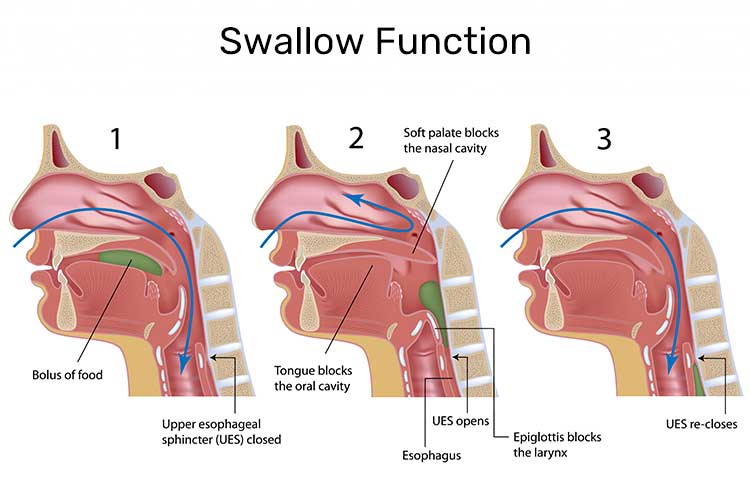
Dysphagia describes troubles in swallowing that can take place at any phase of the swallowing procedure-- from the mouth to the esophagus. It's essential to recognize that dysphagia can show up in different types:
- Oral Phase Dysphagia: Trouble eating or relocating food in the mouth. Pharyngeal Phase Dysphagia: Difficulty starting an ingest or feeling like food is stuck. Esophageal Phase Dysphagia: Issues with food passing through the esophagus.
Causes of Dysphagia
Several hidden problems can cause dysphagia:
Neurological Problems: Stroke, Parkinson's illness, numerous sclerosis. Muscular Problems: Problems influencing muscle mass control, like muscular dystrophy. Structural Irregularities: Growths or strictures in the esophagus. Aging: Natural wear and tear on muscle mass associated with swallowing.Signs and Signs of Dysphagia
Carers should be vigilant for indicators of dysphagia, which might consist of:

- Coughing or choking throughout meals Sensation of food getting stuck Frequent heartburn or acid reflux Unexplained weight loss
The Significance of Dysphagia Training for Carers
When it comes to supplying take care of individuals with dysphagia, training comes to be essential. Here's why:
Enhancing Knowledge and Skills
Dysphagia treatment training outfits carers with crucial knowledge regarding:
- Identifying symptoms early Understanding different sorts of dysphagia Implementing risk-free feeding strategies
Building Confidence in Caregiving
With correct education from a dysphagia training course, caretakers can approach feeding times with even more confidence, lowering stress and anxiety for both the carer and the individual being cared for.
Improving Patient Outcomes
Research indicates that well-trained staff significantly boost patient results with far better nutrition consumption and lowered risks of aspiration pneumonia.
Types of Dysphagia Training Courses Available
There are different alternatives when it involves dysphagia training courses tailored for different staff members.
Dysphagia Training for Nurses
Nurses commonly have frontline responsibilities when managing individuals with swallowing difficulties. Specialized training assists them recognize medical assessments and treatments required for efficient care.
Dysphagia Training for Treatment Staff
This type of training focuses on practical methods that caretakers can execute daily while supplying care in your home or within facility settings.
Online vs. In-person Training Programs
Both layouts supply distinct advantages:
|Style|Benefits|| -----------------|--------------------------------------------|| On the internet|Flexibility, self-paced knowing|| In-person|Hands-on experience, direct feedback|
Understanding Feeding Methods for People with Dysphagia
Knowing exactly how to assist a person with eating securely can prevent major wellness problems related to dysphagia.
Modified Diets: The Trick to Safety
One common method involves changing diet regimen appearances based on individual demands:
Pureed Foods: Smooth consistency assists decrease choking risks. Soft Foods: Simpler to eat however still requires some effort. Thickened Liquids: Helps control flow throughout swallowing.Implementing Changed Diets
Carers ought to seek advice from nutritional specialists when executing changed diet plans to ensure dietary adequacy while addressing security concerns.
Communication Methods When Dealing with Dysphagic Patients
Effective interaction is vital when dealing with individuals experiencing dysphasia.
Using Clear Language
Always utilize straightforward sentences and talk slowly; prevent jargon that might perplex your patient.
Non-verbal Communication
Gestures or faces can additionally share indicating effectively-- this commonly aids understanding greater than spoken communication alone.
Recognizing Aspiration Dangers in Individuals with Dysphagia
Aspiration takes place when food or liquid enters the respiratory tract as opposed to the belly-- a significant risk factor in clients experiencing dysphasia.
Signs of Aspiration Events
Be alert for these indicators:
- Sudden coughing after eating Changes in voice high quality (wet-sounding) Fever without clear explanation
Immediate Actions if Ambition Occurs
If you suspect goal has occurred:
Stop feeding immediately. Assess breathing; look for emergency situation assistance if necessary. Document any kind of events for health care specialists' review.Creating an Effective Care Prepare For People with Dysphasia
A well-rounded care plan guarantees each individual receives personalized focus based upon their distinct demands and circumstances.

Components of a Care Plan
Assessment Outcomes: File searchings for from medical assessments. Dietary Alterations: Define texture modifications needed. Scheduled Tracking: Routine check-ins on swallowing safety throughout meals. Family Education: Give assistance on sustaining liked ones at home.Training Resources Available for Carers
There are many sources readily available currently more than ever!
Online Educational Platforms
Consider reliable systems supplying training courses particularly designed around "dysplhigia training." Look out for detailed programs that cover analyses and treatment methods thoroughly.
FAQs About Dysphasia Management
What are common root causes of dyslexia?- Several elements add consisting of age-related changes & & underlying clinical conditions like strokes or ALS.
- Watch out for signs such as coughing/choking during meals & & changes in voice post-swallowing!
- Absolutely! Discover numerous training courses focusing on every little thing from standard awareness up via advanced treatment techniques!
- Yes! Lots of respectable organizations supply versatile on the internet choices which provide directly in the direction of caregivers' understanding needs!
- A critical one! Modifications made according to specific demands help make certain much safer consuming experiences while minimizing danger variables associated with desire events!
6. Should households be enlightened too? - Certainly! Educating households enhances support systems outside official caregiving setups making shifts smoother overall!
Conclusion
Navigating with the intricacies surrounding dysplasia management is no small accomplishment; however armed with knowledge obtained with reliable training programs customized explicitly towards treatment staff we equip ourselves as advocates who promote those battling daily versus this debilitating condition! By focusing on continual education-- be it through dedicated courses concentrated entirely upon enhancing ability associated straight towards managing our clients' distinct difficulties-- we lead paths leading towards boosted results across all fronts making certain dignity remains undamaged also amidst hardship dealt with due merely since somebody has problem ingesting ...
By investing time right into acquiring detailed understanding relating to how best support affected individuals with each other allow us rise over challenges presented by diseases affecting numerous lives globally today!